Koumbaros and Koumbara in Crete: The Heart of a Greek Orthodox Wedding in Greece

A wedding in Crete is more than a celebration—it’s a living tapestry of faith, friendship, and family. At the center of every traditional Greek Orthodox wedding stand the Koumbaros (male sponsor) and Koumbara (female sponsor), spiritual guides who bind the couple not only to each other but also to their shared faith.
Whether your ceremony takes place in a seaside chapel in Chania, a historic monastery in Rethymno, or a sunlit village church near Heraklion, the Koumbaros in Crete carries responsibilities that extend far beyond the wedding day.
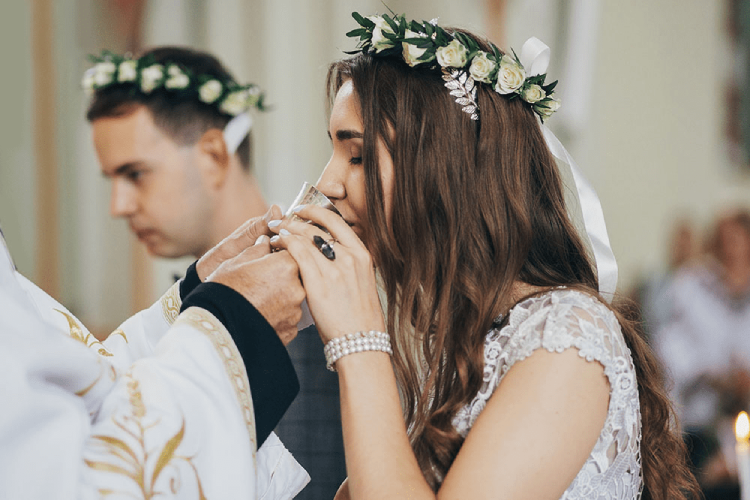
In Greek tradition, the Koumbaros and Koumbara are not merely wedding attendants—they become spiritual family. Their commitment represents lifelong spiritual kinship, often extending to becoming godparents to the couple’s first child.
This sacred bond, rooted in the Orthodox faith, symbolizes eternal friendship and shared spiritual responsibility.
∼Let’s plan your wedding!∼
.

.
1.Selecting Your Koumbaros or Koumbara in Crete
When planning your wedding in Crete, the selection of your Koumbaros and Koumbara deserves careful thought.
Selection Criteria:
- Orthodox Faith First: Your sponsors must be baptized Orthodox Christians in good standing with their church.
- Spiritual Connection: Choose those who have a genuine connection to your faith journey—not just social ties.
- Official Documentation: Your priest will likely request Letters of Good Standing from their parish.
- Discuss Expectations Early: Decide if they’ll fulfill only spiritual duties or also assist with Western traditions like party planning.

.
2.Working with Your Priest in Crete
Each Greek Orthodox church in Crete may have its own guidelines. Meet with your priest early to discuss:
- Requirements for Orthodox sponsors (especially if one is from abroad).
- The order of the ceremony and their participation in sacred rituals—such as exchanging the rings or crowning with the Stefana.
- Ceremonial fees and church gratuities, typically ranging from €540–€1,350 per sponsor.
3.Koumbaros vs. Best Man: Understanding the Difference
Many couples marrying in Greece wonder about the difference between a Koumbaros and a Best Man. While both hold places of honor, their roles—and their meaning—are quite distinct.
| Aspect | Koumbaros (Greek Orthodox Tradition) | Best Man (Western Tradition) |
|---|---|---|
| Spiritual Role | Serves as the couple’s Orthodox spiritual sponsor, participating in the sacred rituals of the ceremony. | No religious duties; role is purely social and supportive. |
| Faith Requirement | Must be a baptized Orthodox Christian in good standing. | Can be of any or no faith. |
| Ceremonial Duties | Exchanges the rings, crowns the couple with Stefana, and stands as a witness before God. | Holds the rings, gives a toast, organizes bachelor party. |
| Lifelong Relationship | Becomes part of the couple’s spiritual family, often godparent to their child. | Relationship typically centered on friendship or kinship. |
| Symbolism | Represents faith, unity, and divine blessing. | Represents support, loyalty, and friendship. |
In modern weddings in Crete, couples often blend both roles—having the Koumbaros act as both spiritual sponsor and best man, honoring tradition while embracing modern customs.
.
.
4.Cultural and Modern Adaptations
Some couples hosting a destination wedding in Greece choose to honor these traditions symbolically. Even if the Koumbaros or Koumbara cannot fulfill religious duties, they may still participate as honorary sponsors, ensuring the Greek spirit remains alive in the celebration.
At many Cretan weddings, these figures also help energize the reception—leading traditional dances, organizing the Krevati (bed-making ceremony), or keeping guests on their feet during Zeibekiko and Sirtaki songs.
.
The Koumbaros in Crete
The Koumbaros and Koumbara in Crete are far more than ceremonial titles. They embody the essence of Greek Orthodox marriage—a partnership rooted in love, loyalty, and faith.
It’s important to remember that Orthodox canonical law requires the Koumbaros and Koumbara to be baptized Orthodox Christians in good standing with the church. This includes all forms of Orthodox Christianity (e.g., Serbian, Russian, Romanian Orthodox). Non-Orthodox friends can still participate in your wedding party, but they cannot perform the sacred ceremonial duties. For example, a Best Man may stand with the couple but is not allowed to handle the rings or touch the Stefanas. Always consult your priest for guidance on special circumstances.
A Koumbaros in Crete doesn’t just stand beside you for a day—he stands with you for life, representing faith, friendship, and lifelong spiritual support.
⇒Time to plan your dream wedding in Crete!